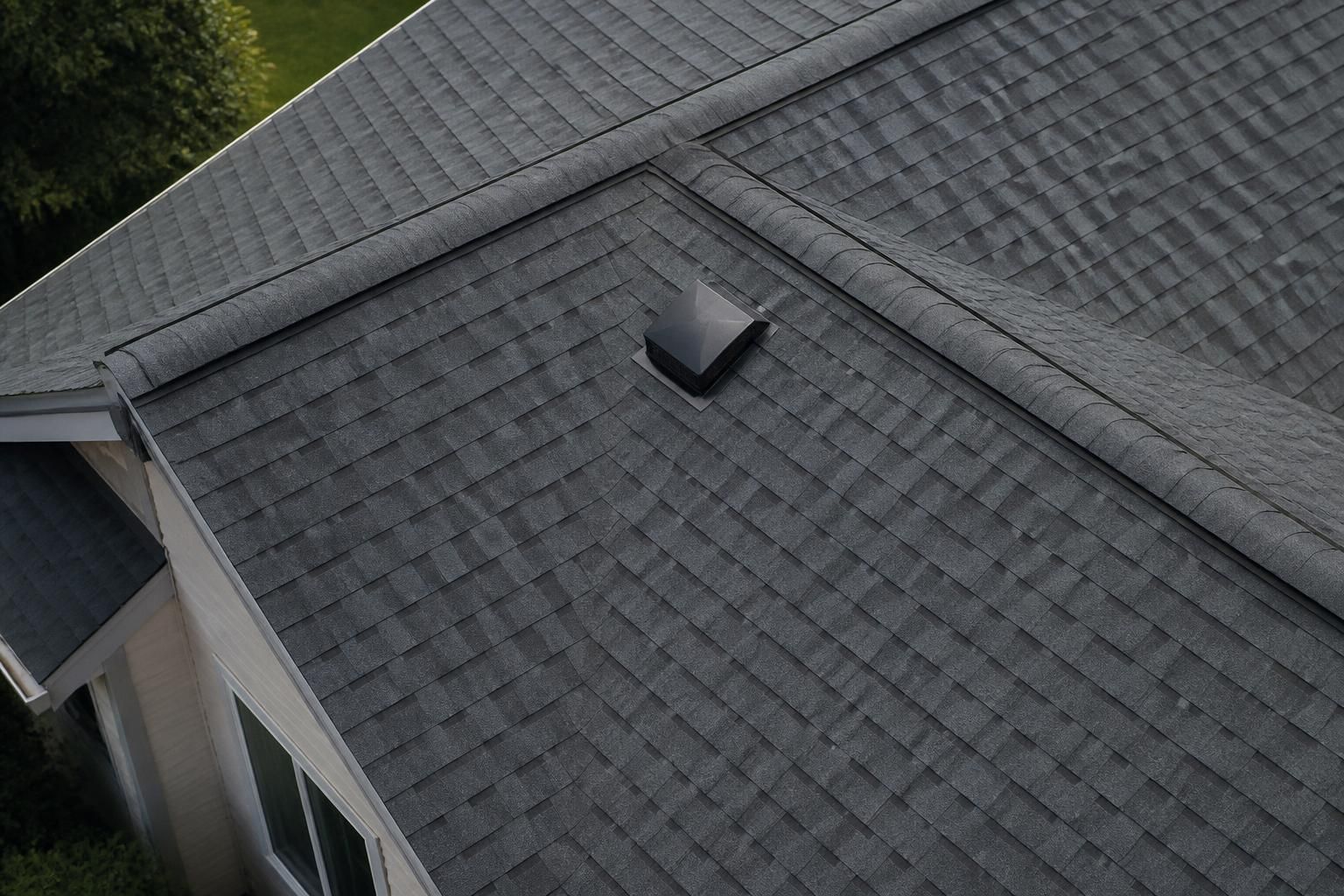
Missing shingles, a ceiling stain, or a damp spot near the attic usually means the roof needs attention before the problem spreads. A roof inspection gives you a clear answer fast, so you know whether you are dealing with a small repair, a leak source, or signs of wider wear.
At BUILT Roofing, we inspect roofs at 355 E Germann Rd Gilbert Az and across the Phoenix Valley for homeowners who want straight answers before damage gets worse. We look at the roof surface, penetrations, flashing, drainage points, and visible trouble areas, then explain what we found and what should happen next.
A roof inspection should do more than glance at the shingles and leave. We look at the parts of the system that most often allow water to enter, and we pay attention to the signs that a roof is aging or reacting to past repairs.
We also note areas where the roof may not be failing yet, but is showing enough wear to deserve a closer look before the next heavy rain or strong wind.
Homeowners usually notice the symptom before they know the source. A roof inspection helps connect the warning sign to the part of the roof that needs attention.
Water marks on ceilings, peeling paint near upper walls, or a musty smell in certain rooms can point to a roof leak above the visible stain. Sometimes the entry point is not directly over the damaged spot, which is why a full inspection matters.
From the ground, you may notice cracked tiles, lifted shingles, worn sealant, rusted metal details, or debris collecting in places where water should move cleanly. These are not always urgent by themselves, but they are worth checking before they turn into active leaks.
Wind and monsoon conditions can shift materials, loosen edges, or expose weak points that were not visible before. If the roof looked fine last month and now shows a new stain or damaged area, an inspection can help narrow down what changed.
Roof inspections should feel clear and organized, not confusing. When we inspect a home, the process is meant to give you useful information you can act on right away.
At BUILT Roofing, the goal is to make the inspection useful, not rushed. A good inspection should help you understand the condition of the roof without leaving you to guess at the meaning of the damage.
Homes throughout Gilbert and nearby cities use a mix of roofing systems, and each one shows wear differently. We inspect the major roof types found across Arizona homes and adjust our review based on the material and construction details.
Tile roofs often show cracked, shifted, or broken pieces, while shingle roofs may show curling, granular loss, or lifted sections. Both systems need careful attention around edges, valleys, and anything that penetrates the roof surface.
Foam and flat roofing can hide problem areas until water starts to leave a mark inside the home. These systems need close review of seams, transitions, ponding-prone areas, and coating wear.
Metal roofing may develop issues at fasteners, seams, or flashing points. Modified bitumen can show surface wear, cracking, or separation over time. We inspect these roofs with the details that matter most for their specific construction.
You do not need visible water dripping from the ceiling to schedule a roof inspection. In fact, waiting that long often creates a larger repair. A simple inspection can make sense when you notice any of the following:
If the roof has a leak history, an inspection can also help determine whether the source was fully addressed or if there are nearby areas showing the same wear pattern.
Finding the source of a leak is rarely as simple as looking at the visible stain. Water can travel along framing, under underlayment, or across roof layers before it finally shows up inside. That is why roof inspection work matters so much when a homeowner is trying to stop repeat damage.
We look for the entry point, the path water may have taken, and the roof details that may have let the problem start. That may include a failed flashing edge, a cracked tile, a lifted seam, a punctured membrane area, or another weak spot near a transition. Once the likely source is clear, repairs can be targeted instead of guesswork-driven.
You do not need to move half the house before a roof inspection, but a few simple steps can help the visit go smoothly.
These details help us connect what you see inside with what is happening on the roof outside. The more specific the symptoms, the more focused the inspection can be.
A roof inspection looks for wear, damage, leak entry points, flashing problems, surface issues, and signs that the roof is nearing a more serious repair need. It is meant to identify both visible damage and the conditions that usually lead to it.
Yes. If you are dealing with a leak, we look for the source as part of the inspection process. That includes checking the roof area where water may be entering and the surrounding details that could be involved.
Absolutely. Many roofing problems are hard to spot from the ground, especially around flashing, seams, and roof transitions. An inspection gives you a closer look at the parts that are most likely to fail first.
Mixed roofing systems are common, and each material can fail in different ways. We inspect the visible conditions of each roof section and pay close attention to where the materials meet.
Yes. We review the findings in plain language so you understand the condition of the roof and what the next step should be. The goal is to give you useful information, not jargon.
Yes. If you are planning a remodel, a roof inspection can help you understand whether the roof needs attention before other work moves forward. That can prevent new projects from covering up an existing roof concern.
If you need a roof inspection at 355 E Germann Rd Gilbert Az, BUILT Roofing is ready to help. Call +14806509005 or email jakep@builtroofingaz.com to schedule a visit and get a clear read on the condition of your roof.
We inspect residential roofing throughout Gilbert, Chandler, Mesa, Tempe, Queen Creek, Apache Junction, Scottsdale, Phoenix, San Tan Valley, Fountain Hiils, Florence, and Maricopa, giving homeowners straightforward information they can use to decide what comes next.

Get Started
Share the condition of your roof, the signs you are seeing, and the kind of help you need. We will review the details and point you toward the most practical next step for your home.